Comprehensive information regarding our chimney maintenance, fireplace restoration, and dryer ductwork services.
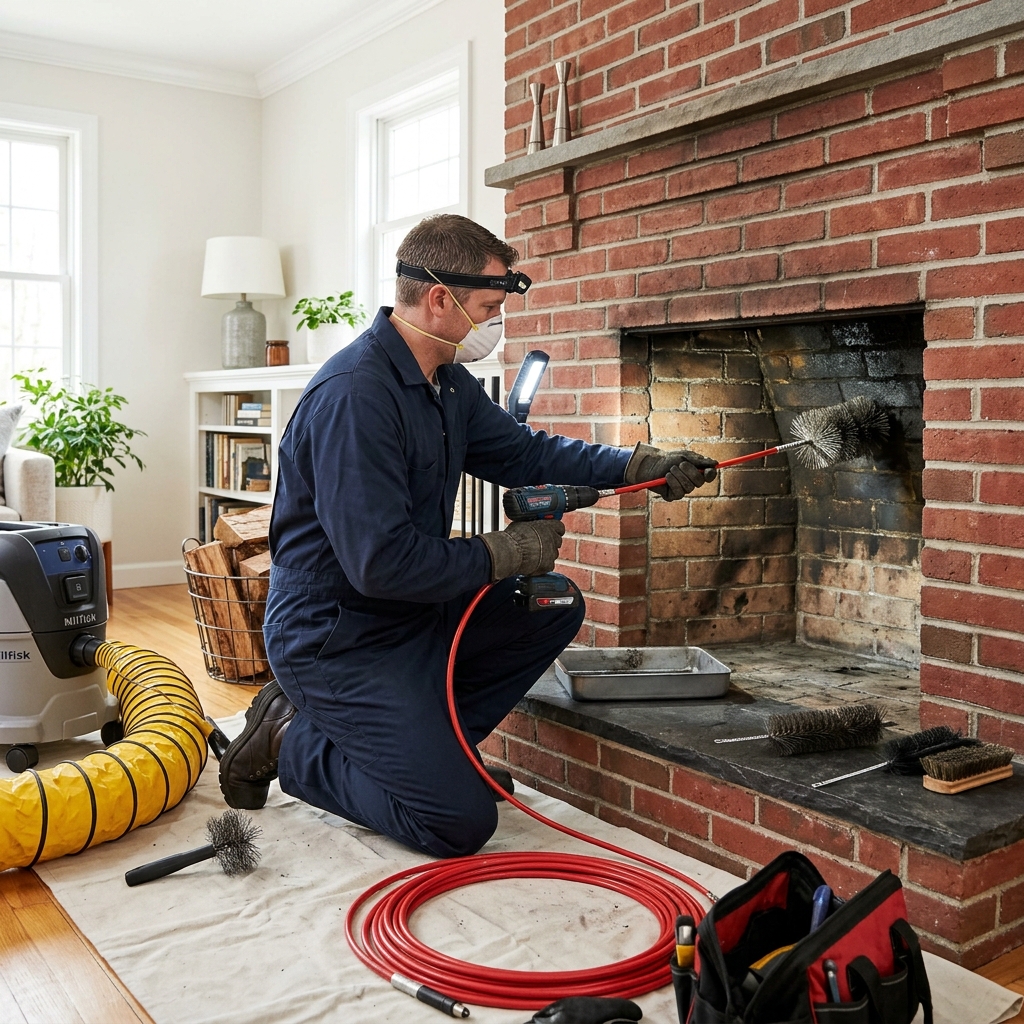
Burning wood creates creosote and soot deposits along interior flue walls. Regular chimney sweeping removes these accumulations to maintain proper airflow and support safe fireplace operation. We use specialized brushes and vacuum systems to contain dust during the process.
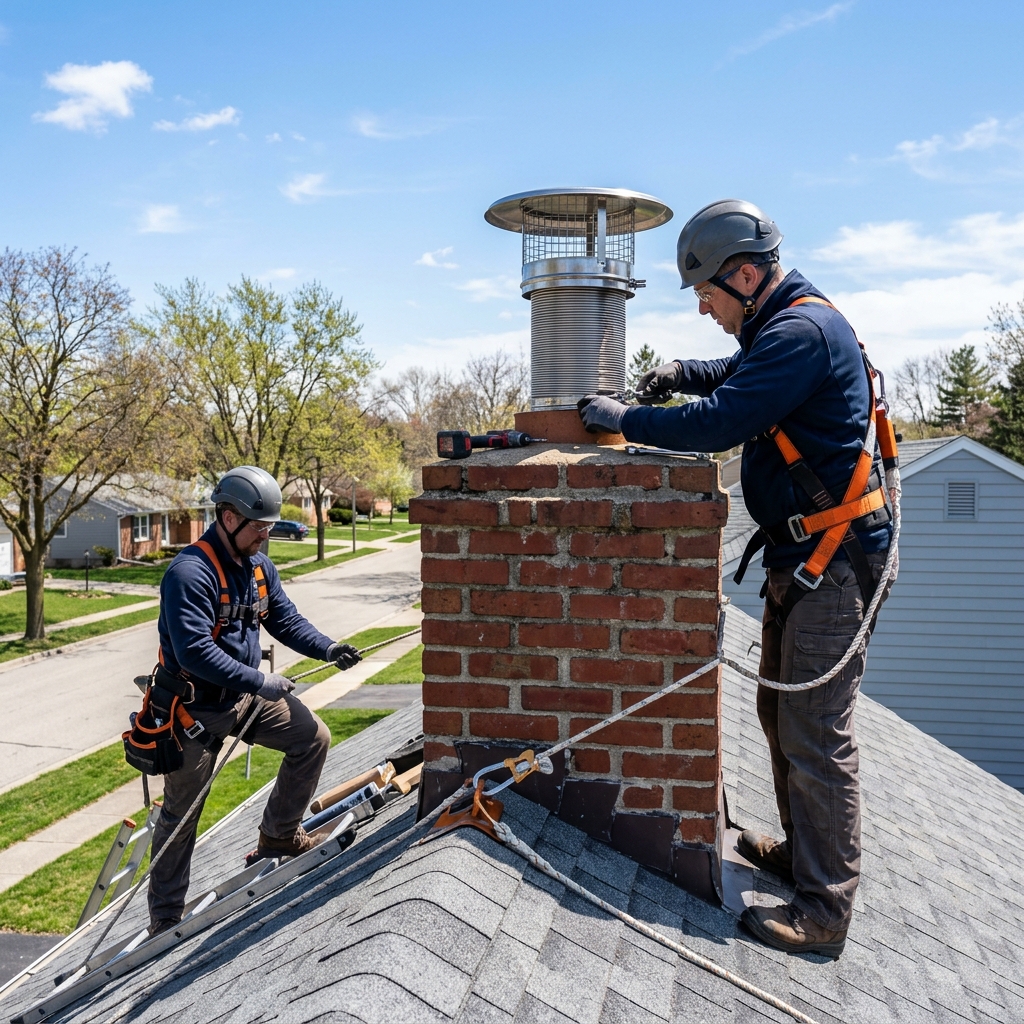
Installing a stainless steel flue liner provides a continuous exhaust path for combustion gases, helping protect masonry structures from heat degradation and moisture damage. We also supply and fit chimney caps and top-sealing dampers.
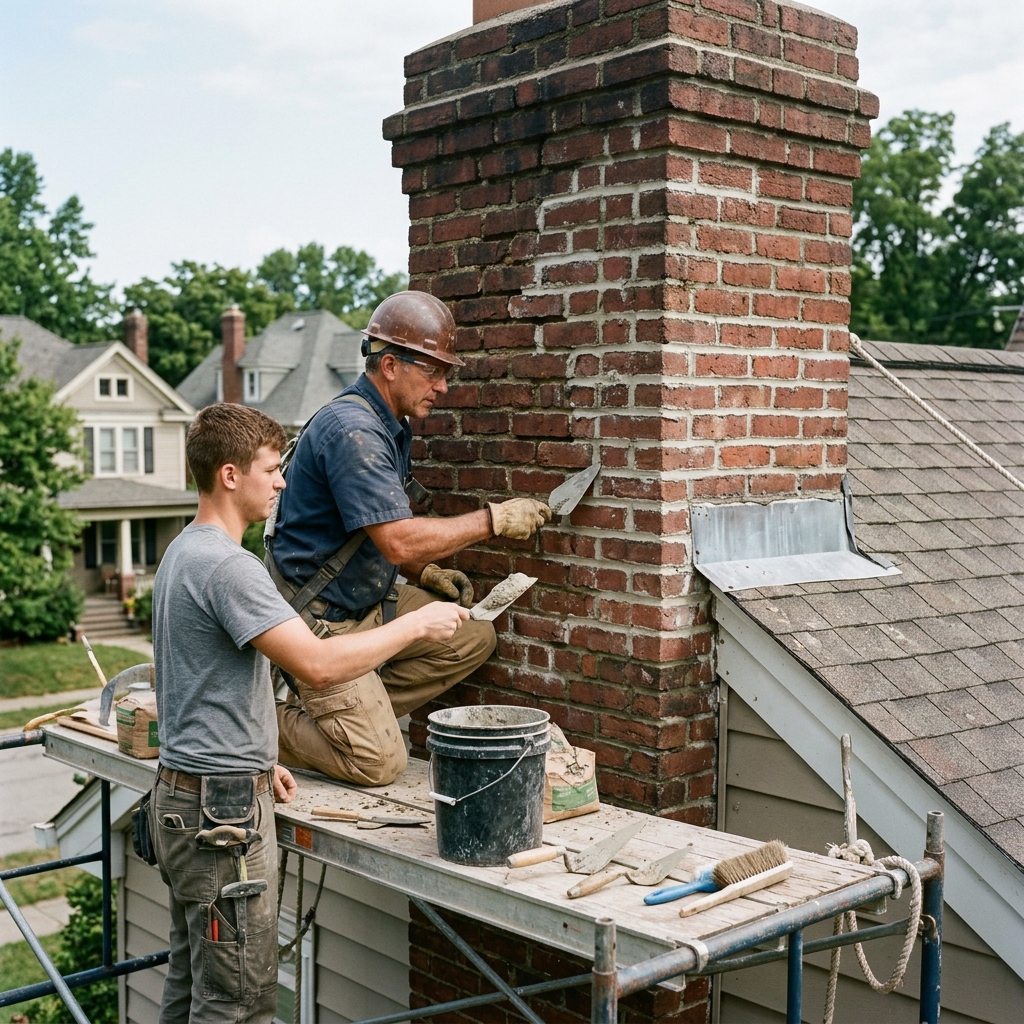
Exposure to rain and freeze-thaw cycles can weaken exterior mortar joints and crack concrete chimney crowns. Our repair services address structural masonry issues before water intrusion leads to interior house damage.
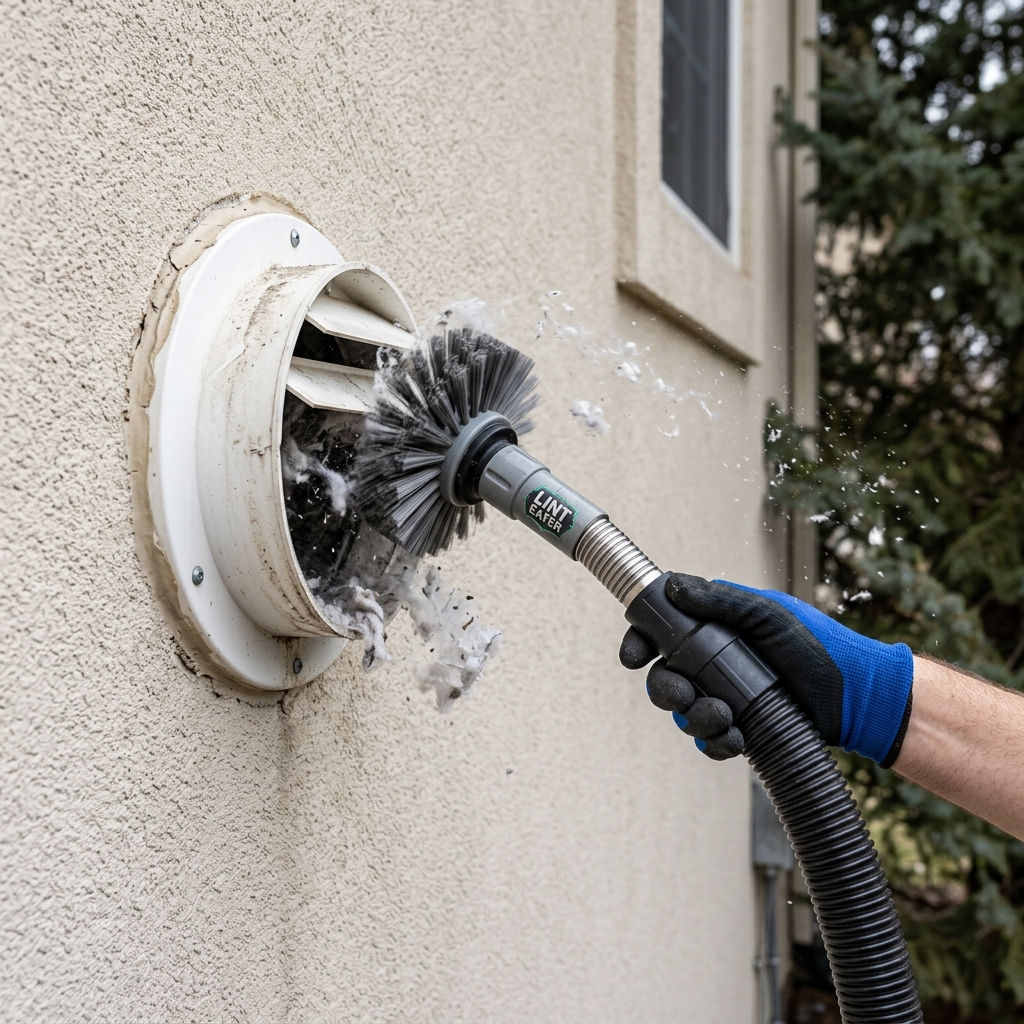
Lint naturally accumulates inside exhaust lines between the back of the dryer and the exterior wall terminal. Cleaning out clogged lines restores proper airflow, helping appliances dry clothes efficiently while supporting fire safety.
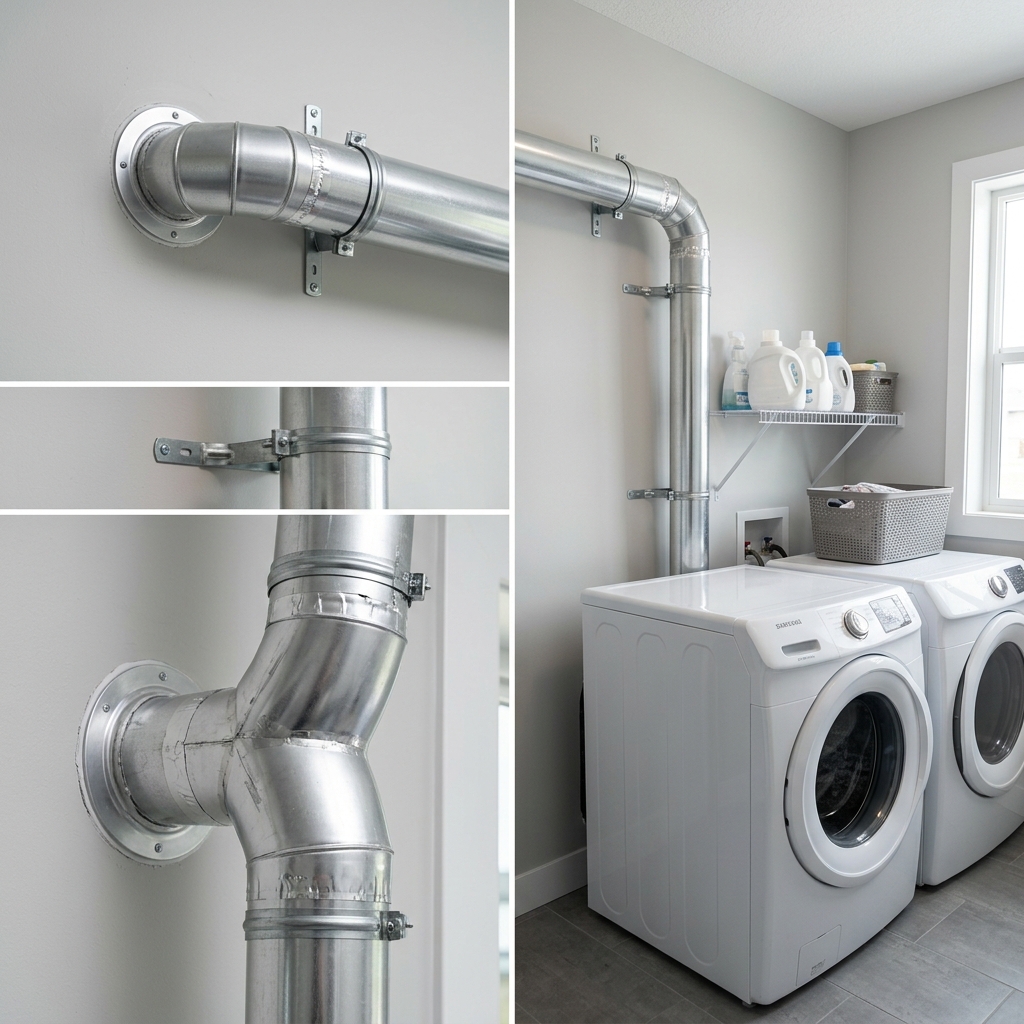
Flexible plastic foil hoses sag easily and catch lint in their ridges. We install smooth-walled rigid aluminum piping that complies with standard residential construction guidelines.
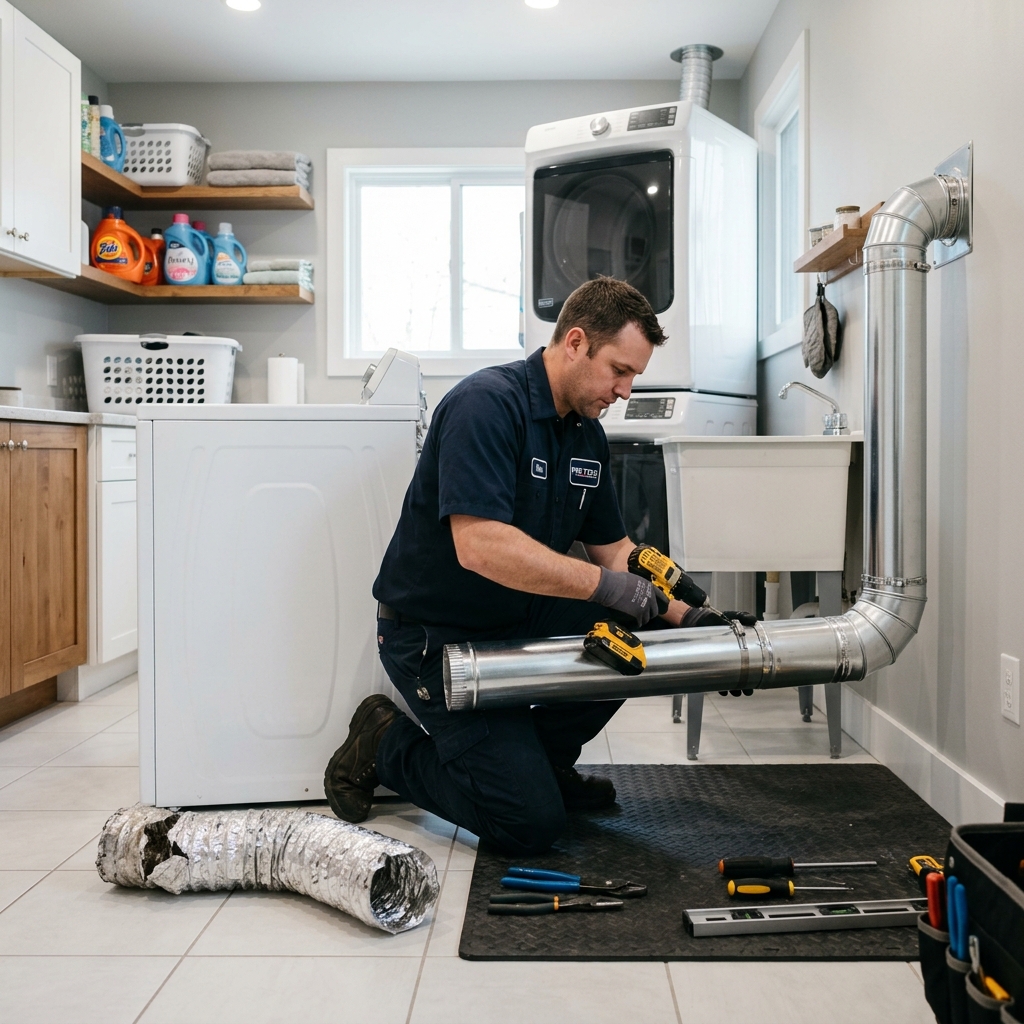
Loose joints or crushed duct connectors allow moist air and lint to exhaust into interior crawlspaces or laundry utility areas. We repair damaged seams, reconnect loose fittings, and adjust line routing.
Learn how proper fireplace maintenance and rigid aluminum venting keep your home safe in Locust Valley, NY.
Stage 3 Creosote (Glaze): When unseasoned wood is burned or airflow is restricted, creosote hardens into a dense, shiny black glaze that sticks to flue walls. Stage 3 creosote requires specialized mechanical removal tools to eliminate safely.
Flexible Vinyl/Foil Dryer Hoses: Accordion-style plastic or thin foil hoses sag, trap heavy lint in their ridges, and ignite easily if the dryer overheats. Standard residential guidelines require rigid smooth-walled metal ductwork for exhaust lines.
| Material / Component | Safety Rating | Airflow Efficiency | Maintenance Need |
|---|---|---|---|
| Stainless Steel Flue Liner | High (Protects Masonry) | Excellent Draft | Annual Sweeping & Check |
| Clay Flue Tile (Traditional) | Moderate (Cracks Over Time) | Good (When Intact) | Inspect for Cracks & Spalling |
| Rigid Aluminum Dryer Duct | High (Code Compliant) | Maximum Air Velocity | Annual Lint Removal |
| Foil / Vinyl Flexible Hose | Not Recommended | Poor (Traps Lint) | Replace with Rigid Ducting |
Check if the damper is fully open. Closed dampers, bird nests in the flue, or heavy creosote buildup block exhaust draft.
Indicates clogged exhaust vent line. Trapped lint prevents warm moisture from escaping the laundry drum.
Points to a cracked chimney crown, damaged roof flashing, or missing chimney cap allowing rainwater to seep into masonry.